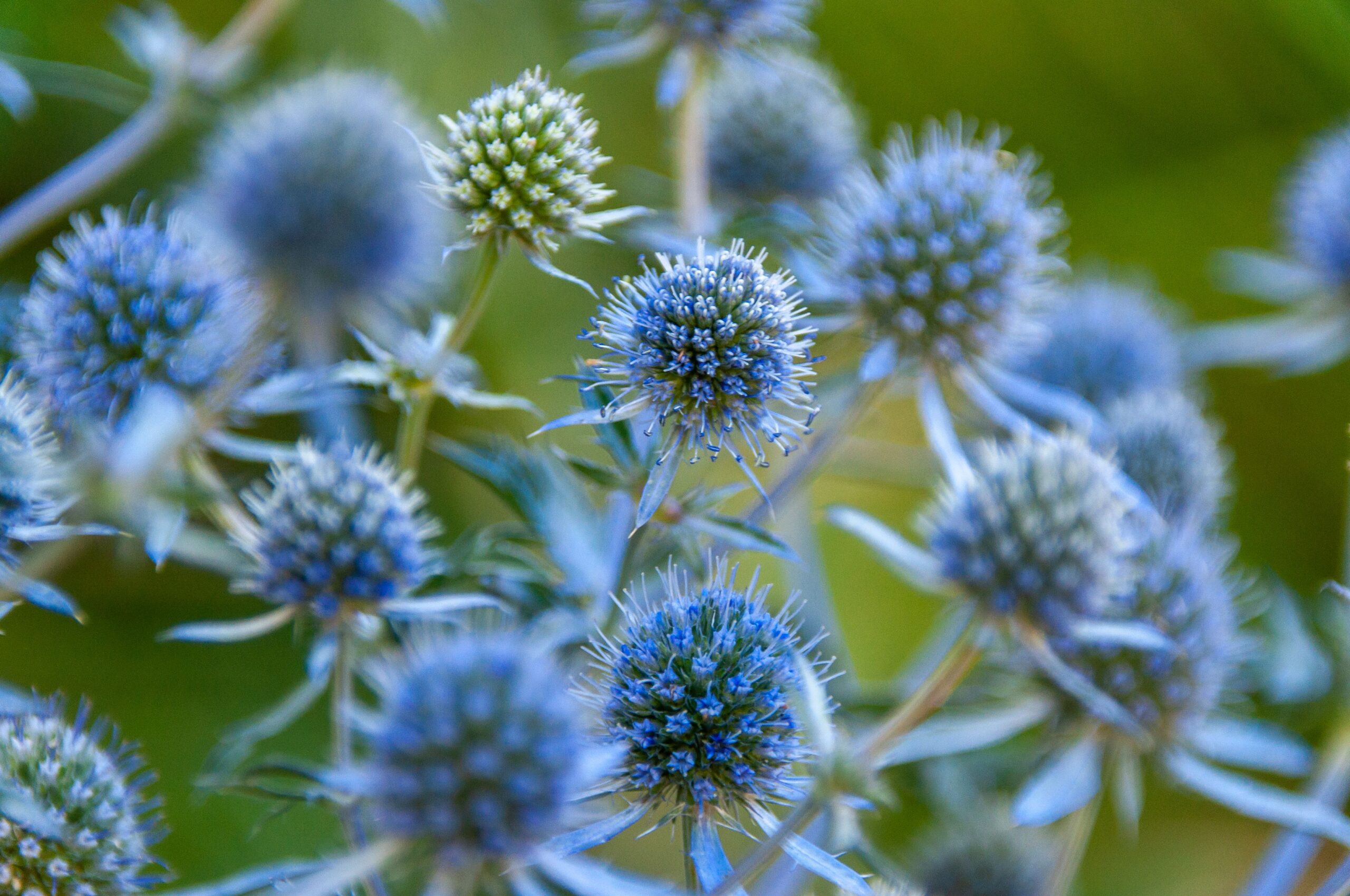
And building a life around it.
Every now and then I let myself feel pity. I let myself feel sorry for myself. I let myself wallow in the pit of WHY MEs and IT ISN’T FAIRs and NO ONE KNOWS WHAT IT’S LIKEs.
I let myself have flashbacks of the rapes and my head being smacked through a wall and my flesh being burnt as seven men watched on.
And then I move on.
Because I don’t need the pity to survive anymore (thank you therapy, and medication, and journaling, and meditation, and somatic work, and body work, and privilege). Once upon I time I did need the pity. In fact, I think every trauma victim should probably go through a phase of feeling all the self-pity. Maybe even for years.
But not anymore.
I need it on the days where my trauma voice gets loud and where the shame starts to eat away at the corners of my life and where I’m just a little too certain that yes, today I was too much.
It’s exhausting reading into everything [to try and pre-empt when people are going to spin out]. It’s exhausting being so afraid of getting the tiniest thing wrong [in case a grown man pins me to the ground and beats me]. It’s exhausting constantly apologising for being too much [in case they’re all going to reject me and make me a laughing stock behind my back].
With chronic trauma you have to constantly watch yourself. And not just because history taught you repeated horrifically negative outcomes, but also because you know how hard you’ve worked to pull yourself up from the earthworks and build a life around your trauma. It’s scary knowing you could lose that, too.
And I don’t have the answer. Similar to grief, you can kind of compact your trauma, but realistically, you do have to grow a life around it. And that in itself is a real art.
For tonight, I’ve made Pity Party Pancakes, smothered them in Nutella, and patted myself on the back for surviving. Full stop.
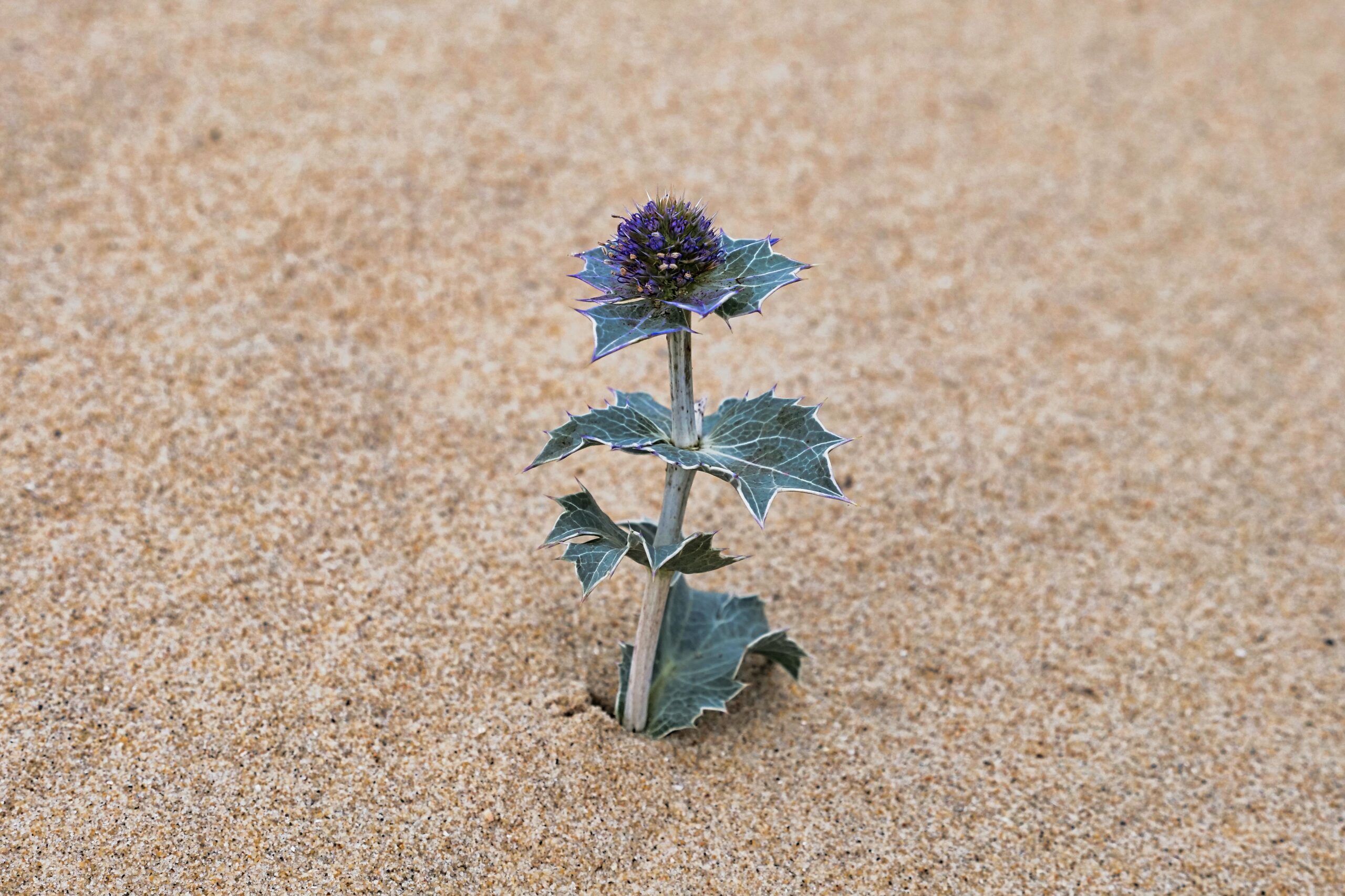
Most plants struggle in shifting sand, salt spray and harsh coastal winds. Sea Holly doesn’t. It develops deep roots and adapts to survive conditions that would destroy many others. What I love is that it isn’t a plant that “gets better.” It doesn’t become a rose. It doesn’t transform into something easier. It simply learns how to live where it has been planted.
Leave a Reply